
Table of Contents
- What Is a DOT Physical?
- Who Needs a DOT Physical?
- What Does a DOT Physical Exam Include?
- Medical Conditions and DOT Certification
- How to Prepare for Your DOT Physical
- How Long Does a DOT Physical Take?
- How Long Is a DOT Medical Certificate Valid?
- What Happens If You Fail?
- How Much Does a DOT Physical Cost?
- Finding a DOT Physical Provider
- The Bottom Line
If you drive a commercial vehicle for a living, you already know that a DOT physical exam is required. Your Department of Transportation (DOT) physical is more than just a formality. It’s a federal requirement that directly impacts your ability to work and earn a living.
But here’s the thing: many drivers approach their DOT physical with uncertainty or even anxiety. What will the examiner check? What happens if you have high blood pressure? Can you still pass if you’re taking medications?
This guide answers those questions and more. Whether you’re getting your first DOT physical or renewing your medical certificate, here’s everything you need to know.
What Is a DOT Physical?
A DOT physical is a mandatory health examination required by the Federal Motor Carrier Safety Administration (FMCSA) for anyone who operates a commercial motor vehicle (CMV). The exam ensures that you’re physically, mentally, and emotionally fit to handle the demands of commercial driving.
The examination must be performed by a medical examiner who is certified by the FMCSA and listed on the National Registry of Certified Medical Examiners. This includes doctors of medicine (MD), doctors of osteopathy (DO), physician assistants (PA), advanced practice nurses (APN), and chiropractors who have completed the required certification.
Who Needs a DOT Physical?
You need a DOT physical exam if you:
- Operate a vehicle with a gross weight of 10,001 pounds or more across state lines
- Transport more than 15 passengers (including the driver)
- Are paid to transport more than 8 passengers (including the driver)
- Transport hazardous materials requiring a placard
Even some intrastate drivers may need a DOT physical, depending on state regulations. Check with your employer or your state’s Department of Motor Vehicles to confirm your requirements.
What Does a DOT Physical Exam Include?
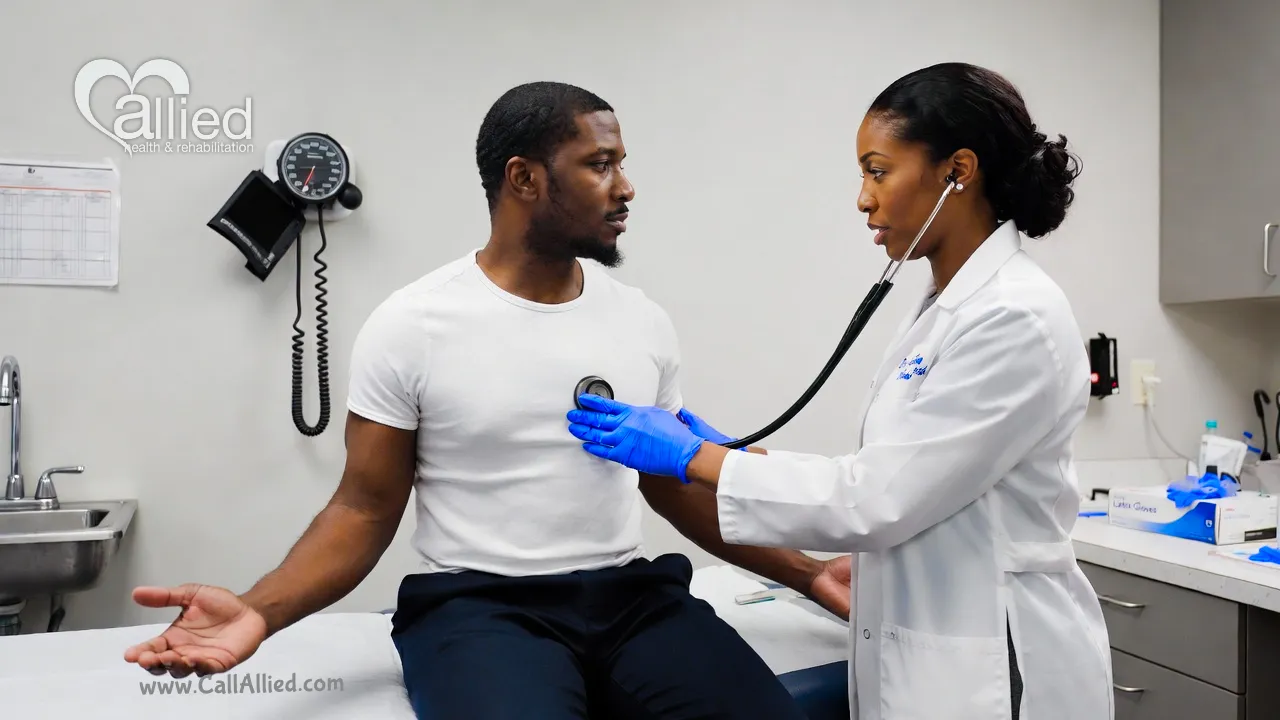
A comprehensive DOT physical examines multiple aspects of your health. Here’s what you can expect:
Medical History Review
Your examiner will review your complete medical history, including:
- Current medications and dosages
- Past surgeries or hospitalizations
- Chronic conditions (diabetes, heart disease, respiratory issues)
- Previous injuries or disabilities
- Mental health conditions
- Sleep disorders
Be honest about your medical history. Your examiner is there to help you pass safely, not to disqualify you. Many conditions are manageable with proper documentation and treatment.
Vision Test
You must have at least 20/40 visual acuity in each eye, with or without corrective lenses. You also need at least 70 degrees of peripheral vision in each eye and the ability to recognize red, green, and amber traffic signal colors.
If you wear glasses or contacts, bring them to your exam. If you’ve recently had vision correction surgery, bring documentation from your eye doctor.
Hearing Test
You must be able to hear a forced whisper from at least 5 feet away, or have an average hearing loss of no more than 40 decibels in your better ear. Hearing aids are acceptable, so wear them if you use them.
Blood Pressure and Pulse
This is where many drivers run into trouble. Your blood pressure directly affects your certification period:
- Below 140/90: You’ll receive a 2-year certification
- 140-159 over 90-99: You’ll receive a 1-year certification
- 160-179 over 100-109: You may receive a 3-month temporary certification, giving you time to get your blood pressure under control
- 180/110 or higher: You cannot be certified until your blood pressure is treated and lowered
If you have high blood pressure, make sure it’s controlled before your exam. Take your medication as prescribed and bring documentation from your treating physician.
Urinalysis
A simple urine test checks for protein and glucose levels, which can indicate underlying conditions like diabetes or kidney disease. This is NOT a drug test, though some employers may request a separate drug screening.
Physical Examination
The examiner will conduct a thorough physical exam, checking your:
- Heart and cardiovascular system
- Lungs and respiratory function
- Abdomen and digestive system
- Spine and musculoskeletal system
- Neurological function
- Overall physical condition
The exam includes checking for hernias and assessing your range of motion. While it may feel invasive, remember that it’s designed to ensure you can safely handle the physical demands of driving a commercial vehicle.
Medical Conditions and DOT Certification
Having a medical condition doesn’t automatically disqualify you from getting your DOT medical certificate. Many conditions are manageable with proper treatment and documentation.
Diabetes
Both Type 1 and Type 2 diabetes are manageable. If you use insulin, you’ll need additional documentation from your treating physician. Your blood sugar must be well-controlled, and you’ll need to demonstrate compliance with your treatment plan.
Sleep Apnea
If you’re diagnosed with sleep apnea and use a CPAP machine, you’ll need to provide compliance data showing you’re using it as prescribed. Most examiners require at least 4 hours of use per night for 70% of nights over a 90-day period.
Heart Conditions
Many cardiovascular conditions are manageable. You’ll need documentation from your cardiologist showing your condition is stable and controlled. Some conditions may require a waiver or exemption from the FMCSA.
Medications
Most medications are acceptable, including many controlled substances when properly prescribed. You’ll need to bring:
- A complete list of medications with dosages
- Documentation from your prescribing physician
- A letter explaining why you need controlled substances (if applicable)
The key is proper documentation and control. If your condition is managed and you can demonstrate that it won’t interfere with your ability to drive safely, you can often still be certified.
How to Prepare for Your DOT Physical
The right preparation can make the difference between passing and failing. Here’s how to set yourself up for success:
In the Days Before Your Exam
Get plenty of sleep. Being well-rested helps normalize your blood pressure and heart rate.
Stay hydrated. Drink plenty of water in the days leading up to your exam. You’ll need to provide a urine sample.
Monitor your blood pressure. If you have hypertension, check your BP at home for several days before the exam. This helps you know what to expect.
Gather your documentation. Collect all necessary medical records, medication lists, and physician letters.
On Exam Day
Avoid caffeine. Coffee, energy drinks, and soda can temporarily spike your blood pressure. Skip them for at least 2-3 hours before your appointment.
Eat a light meal. Avoid heavy, salty, or greasy foods that might affect your test results.
Take your medications. Don’t skip doses of your regular medications. Take them as prescribed.
Bring everything you need:
- Valid driver’s license or photo ID
- Glasses or contact lenses (if you wear them)
- Hearing aids (if you use them)
- Complete medication list with dosages
- Medical records for chronic conditions
- CPAP compliance data (if you have sleep apnea)
- Any required letters from treating physicians
How Long Does a DOT Physical Take?
Most DOT physicals take 30 to 45 minutes from start to finish. The time can vary depending on your medical history and whether additional documentation is needed.
If you pass, you’ll receive your Medical Examiner’s Certificate the same day. Your results will be electronically submitted to the FMCSA National Registry, usually within 24 hours.
How Long Is a DOT Medical Certificate Valid?
Your medical certificate is valid for up to 24 months if you pass without restrictions. However, if you have certain medical conditions that require monitoring, you may receive a shorter certification period:
- 3 months (temporary, often for high blood pressure)
- 6 months (for conditions requiring frequent monitoring)
- 12 months (for stable but ongoing conditions)
Mark your calendar for renewal. Driving with an expired medical certificate can result in fines and being placed out of service.
What Happens If You Fail?
First, don’t panic. Many drivers fail for manageable reasons, most commonly high blood pressure or uncontrolled diabetes.
If you fail, your examiner will explain what needs to be addressed. Common next steps include:
- Getting medical treatment (blood pressure medication, diabetes management, etc.)
- Providing additional documentation from your treating physician
- Waiting a brief period for treatment to take effect
- Scheduling a re-examination
Some drivers may qualify for FMCSA exemptions or waivers for certain conditions. Your medical examiner can provide guidance on the exemption process if applicable.
How Much Does a DOT Physical Cost?
DOT physical exam costs vary by provider. In the Tallahassee area, you’ll find prices ranging from $88 to $150. Most insurance plans don’t cover DOT physicals since they’re considered occupational exams, but you can use HSA or FSA cards for payment.
When choosing a provider, consider:
- Certification status (must be FMCSA-certified)
- Convenience and location
- Appointment availability
- Price and payment options
- Provider’s experience with commercial drivers
Finding a DOT Physical Provider
Only FMCSA-certified medical examiners can perform DOT physicals. You can verify a provider’s certification on the FMCSA National Registry website.
For truck drivers in North Florida, Allied Healthcare & Rehab offers FMCSA-certified DOT physicals at two convenient locations:
Tallahassee: 177 Salem Court, Tallahassee, FL 32301 | (850) 328-0424
Quincy: 1102 West Jefferson Street, Quincy, FL 32351 | (850) 662-1540
With competitive $88 pricing and same-day appointments often available, Allied Healthcare makes it easy to stay compliant without breaking the bank.
The Bottom Line
Your DOT physical exam is an essential part of your career as a commercial driver. While it may seem like just another hoop to jump through, it’s designed to keep you safe and healthy on the road.
The key to passing is preparation. Know what to expect, get your medical conditions under control, bring proper documentation, and choose a qualified examiner who understands the unique needs of commercial drivers.
With the right preparation and a certified medical examiner, most drivers pass their DOT physical without issue. Stay on top of your health, mark your renewal dates, and keep your medical certificate current. Your livelihood depends on it.
Need to schedule your DOT physical? Call Allied Healthcare today at (850) 328-0424 (Tallahassee) or (850) 662-1540 (Quincy) to book your appointment.

0 Comments